Choosing the right Florida cruise port can make your vacation feel effortless from the very beginning. While all four major ports—Fort Lauderdale, Miami, Port Canaveral, and Tampa—offer access to memorable sailings, each one serves a different kind of traveler. Some are best for convenience, others for ship variety, and some shine when paired with a larger Florida getaway.
If you want a smoother start to your cruise, it helps to look beyond the fare and consider the full picture: flights, transfers, hotel options, parking, and the overall embarkation experience. With a little expert guidance, you can choose the port that best fits your travel style- and let a travel advisor handle the details!
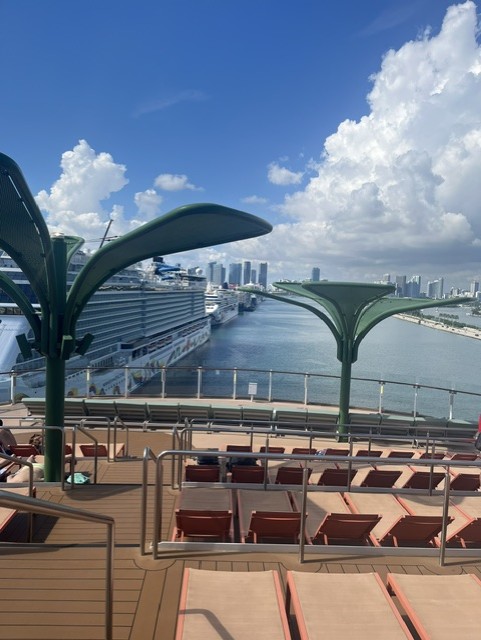
Comparing Florida’s Top Cruise Ports
Florida’s leading cruise ports each have a distinct personality. In sheer volume, PortMiami and Port Everglades in Fort Lauderdale are among the busiest cruise hubs in the world, serving millions of passengers each year. Port Canaveral has grown quickly thanks to its family appeal and proximity to Orlando, while Tampa offers a smaller, calmer alternative on the Gulf Coast.
At a glance:
- Miami: best for ship variety and international flight access
- Fort Lauderdale: efficient terminals and easy airport-to-port transfers
- Port Canaveral: ideal for combining cruises with theme parks
- Tampa: convenient Gulf Coast access and less congestion
For many travelers, the choice comes down to priorities. Families often gravitate toward Port Canaveral for Disney and other family-friendly Caribbean itineraries. Seasoned cruisers may prefer Miami for its broader range of ships and departures. Travelers who want a more streamlined embarkation day often find Fort Lauderdale especially appealing. Tampa, meanwhile, is a thoughtful choice for those who value simplicity and easier regional access.
What makes Fort Lauderdale, Miami, Port Canaveral, and Tampa different?
These four ports differ in more than location. The biggest factors are itinerary options, convenience, and the kind of pre-cruise experience you want.
PortMiami is widely known as the “Cruise Capital of the World,” and for good reason. It regularly handles more than 7 million cruise passengers annually and offers the broadest range of cruise lines and ships, including many newer mega-ships. It is an excellent fit for travelers who want the most choices, easy access to Caribbean sailings, and a lively city stay with beaches, nightlife, and global dining nearby.
Port Everglades in Fort Lauderdale is often viewed as the most efficient of the major South Florida ports. With Fort Lauderdale-Hollywood International Airport only about 10 minutes away, transfers are typically quick and straightforward. For travelers who want a less hectic embarkation day, Fort Lauderdale often delivers a smoother experience.
Port Canaveral stands out for families. It is located about 45 minutes from Orlando International Airport and within reach of Walt Disney World and other theme parks. That makes it especially attractive for travelers who want to combine a cruise with time in Orlando. Disney Cruise Line helps give this port its strong family-focused identity.
Port Tampa Bay is the most specialized option of the four. Because ships must pass under the Sunshine Skyway Bridge, vessel size is more limited. That means fewer mega-ships and fewer itinerary choices, but often a more relaxed port experience. For Gulf Coast travelers, that tradeoff can be well worth it.
In simple terms: Miami offers scale, Fort Lauderdale offers ease, Port Canaveral offers family appeal, and Tampa offers convenience for a narrower set of itineraries.
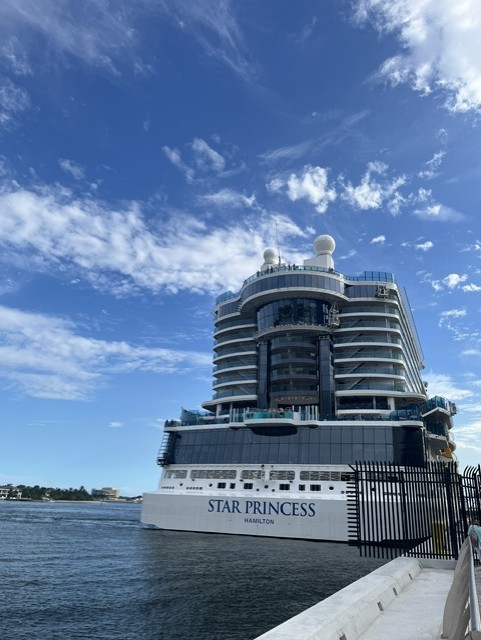
Choosing the Best Port for You- Which Florida cruise port fits your itinerary, budget, and travel style?
The best Florida cruise port is the one that works best for your complete trip—not just your cruise fare. Airfare, drive time, hotel pricing, parking, and itinerary options all affect value.
A good rule of thumb is to compare your total trip cost, not just the cruise price. A sailing that looks less expensive at first may become costlier once you add airfare, hotel nights, parking, and transfers. The right port is the one that aligns with your budget, your logistics, and the kind of vacation you want to enjoy.
When comparing Florida cruise ports, focus on three essentials:
- Itinerary
- Total trip cost
- Your preferred travel pace
PortMiami is best for travelers who want maximum variety. It regularly offers everything from short 3- and 4-night sailings to weeklong Eastern and Western Caribbean cruises. If you want flexibility, broad ship choice, and plenty of hotel and dining options before your cruise, Miami is hard to beat.
Port Everglades in Fort Lauderdale is ideal for travelers who prioritize efficiency. Because the airport is only a few miles away, transfer costs are often lower and embarkation day can feel much less stressful. For couples, repeat cruisers, or anyone who values a calm start, this convenience can be more valuable than a slightly lower fare elsewhere.
Port Canaveral is often the strongest fit for families. Many travelers pair a cruise with days at Disney or Universal, making it easier to build one thoughtfully curated vacation from two great experiences. If Orlando is already part of your plans, sailing from Port Canaveral can simplify the overall trip.
Port Tampa Bay works well for Gulf Coast residents and travelers driving in from western Florida or nearby Southern states. If you want to avoid South Florida traffic, higher hotel rates, and larger terminals, Tampa can be a smart and comfortable choice.
In the end, the best port is the one that reduces travel friction while giving you the itinerary you actually want. That balance is often what turns a good trip into a stress-free, memorable one.
Planning Transportation and Pre-Cruise Logistics
Transportation can shape your cruise experience more than many travelers expect. A smooth embarkation usually starts with smart planning, especially at busy ports like Miami, Fort Lauderdale, Port Canaveral, and Tampa.
Cruise lines generally recommend arriving at least one day early, and that advice is especially helpful during peak winter sailings or Florida’s summer storm season. Giving yourself extra time can protect your vacation from flight delays, highway traffic, or last-minute transfer issues.
A few planning basics:
- Fort Lauderdale (Port Everglades): Fort Lauderdale-Hollywood International Airport is usually 15 to 20 minutes from the port by taxi or rideshare.
- Miami: Miami International Airport is often 35-40 minutes from PortMiami, though traffic can add significant time.
- Port Canaveral: Orlando International Airport is about 45 miles away, so many travelers arrange shuttles or rent a car. For groups or families, renting a car often provides more flexibility—and the per‑person cost of a cruise shuttle can easily exceed the price of a rental car and parking.
- Tampa: Tampa International Airport is one of the easiest airport-to-port transfers in Florida, often under 30 minutes.
Pre-booking your transfers, hotel, and any parking or luggage services can make embarkation day feel far more relaxed. Those details may seem small, but they often create the difference between a hectic start and a seamless one. A travel advisor can offer you all the support you need and make sure every detail is taken care of.

How do hotels, airports, and parking compare at each Florida cruise port?
For many travelers, the easiest port is the one that keeps both costs and stress under control. Hotels, airport access, and parking vary quite a bit among these four cruise hubs.
Fort Lauderdale (Port Everglades) is often the most convenient all-around choice. The airport is typically just 15 to 20 minutes from the port, and hotel options are plentiful near the airport, downtown, and the beach. Many cruise-friendly hotels offer shuttle packages, which can make overnight stays especially simple. Port parking is generally straightforward, though on-site rates tend to be premium.
Miami (PortMiami) offers the greatest hotel variety, from practical airport properties to upscale downtown stays. The tradeoff is congestion. Transfers from Miami International Airport usually take 30 to 40 minutes, but busy weekends can drive up both travel time and rideshare costs. Port garages are convenient, though often pricier than at other Florida ports.
Port Canaveral requires more advance planning if you are flying in, since Orlando International Airport is roughly 45 to 60 minutes away. That said, it is often one of the easiest ports for travelers who prefer to drive. Off-site parking operators frequently offer lower rates than terminal parking and include shuttle service. Nearby Cocoa Beach hotels are also well set up for cruise guests.
Tampa is a practical value choice. Tampa International Airport is commonly about 20 minutes from the port, and hotel and parking costs are often more moderate than in Miami. For travelers who want convenience without the intensity of a larger South Florida hub, Tampa is an appealing option.
Overall, Fort Lauderdale and Tampa tend to win on convenience, Miami on hotel variety, and Port Canaveral on drive-and-park ease.
When you compare ports through the lens of transportation, lodging, and overall flow, the best choice often becomes much clearer. With the right match, your cruise begins not at the gangway, but the moment your travel plans come together with confidence and ease.
🏝️ Pre‑ and Post‑Cruise Itineraries
A Florida cruise doesn’t have to begin or end at the port. Many travelers choose to extend their stay with a pre‑ or post‑cruise itinerary—whether that means relaxing on South Florida’s beaches, exploring Orlando’s theme parks, or enjoying Tampa’s waterfront and Gulf Coast charm. Even a single extra night can make your trip feel smoother, more relaxed, and more memorable.
I’ll be sharing detailed pre‑ and post‑cruise itinerary ideas in an upcoming blog, so stay tuned for inspiration tailored to each Florida port.
If you’re ready to plan your cruise—or want help choosing the port that fits your travel style—You can explore more at SouthFloridaTravelCo.com